
Eco Friendly Lip Gloss Packaging Checklist
📖 Table of Contents
Creating eco-friendly lip gloss packaging isn’t just a trend—it's a necessary shift for sustainability in the beauty industry. An eco-friendly lip gloss packaging checklist is essential for brands aiming to reduce environmental impact without compromising product quality or consumer appeal.
This guide acts as a hub, offering a high-level overview of the key considerations for eco-friendly lip gloss packaging, while also exploring specific troubleshooting steps, alternative materials. Practical insights for each stage of the process.
Whether you're a brand owner, product developer, or eco-conscious consumer, this checklist provides actionable steps, real-world examples, and expert insights to ensure your lip gloss packaging aligns with sustainability goals.[1]
Key Takeaways
- Use biodegradable and recyclable materials to reduce environmental impact.
- Choose sustainable packaging alternatives like bamboo, glass, or compostable tubes.
- Ensure compliance with eco-certifications and sustainability standards.
- Engage in lifecycle analysis to understand the full environmental impact of your packaging.
Troubleshooting
As of August 2026, when eco-friendly lip gloss packaging fails to meet expectations, it's essential to troubleshoot the underlying causes. Common issues may include poor material integrity, difficulty in recycling, or a lack of consumer appeal. For instance, a study by the Ellen MacArthur Foundation found that only 14% of plastic packaging is recycled globally, highlighting the need for more durable and recyclable options.[2]
A practical step is to test different materials for their biodegradability and usability under various conditions. For example, a brand may find that a compostable tube works well in dry climates but degrades too quickly in humid environments. In such cases, switching to a more resilient yet eco-friendly material like sugarcane-based plastic can be a viable solution.
Another key troubleshooting step is to gather direct feedback from consumers. A survey by Nielsen found that 73% of global consumers are willing to pay more for sustainable brands, but only if the product works well and meets their expectations. This data can guide improvements in packaging design, functionality, and user experience.[3]
In this guide:
In this guide:
In this guide:
Alternatives
When seeking eco-friendly alternatives for lip gloss packaging, brands have a variety of sustainable options to consider. One of the most popular alternatives is biodegradable tubes made from materials like sugarcane or cornstarch. These materials break down naturally in the environment, reducing long-term waste.
Another alternative is using glass or metal containers, which are both reusable and recyclable. For example, brands like Lush have successfully used glass jars for their products, encouraging customers to return them for reuse. This approach not only reduces packaging waste but also builds brand loyalty.
For a more modern and innovative solution, some companies are exploring edible packaging made from seaweed or rice paper. These materials are completely biodegradable and can even be consumed, making them a unique and sustainable option for eco-conscious consumers.
Related: Eco Friendly Lip Gloss Tubes Tips
Related: What Is Envelope Moistener
Related: What'S Eco Friendly Packaging
Related: How To Eco Friendly Lip Balm Packaging
Related: Cheap Eco Friendly Lip Gloss Tubes
Related: Affordable Eco Friendly Lip Gloss Tubes
Related: Affordable How To Make Eco Friendly Lip Gloss
Related: Cheap Eco Friendly Lip Scrub
Related: Affordable Eco Friendly Lip Scrub
Related: Best Eco Friendly Lip Balm Packaging
Related: Best Eco Friendly Lip Gloss Packaging
Related: Eco Friendly Lip Gloss Tubes Alternatives
Related: How To Make Eco Friendly Lip Gloss Alternatives
Lip Balm
For custom lip balm stores, creating an eco-friendly natural lip balm checklist is crucial. This includes using organic, non-toxic ingredients and ensuring that the packaging is both recyclable and biodegradable. A growing number of consumers are now prioritizing ethical and sustainable products, with a 2021 report by Grand View Research predicting the global eco-friendly beauty market to reach $20.8 billion by 2028.[4]
One practical step is to partner with eco-conscious suppliers who offer packaging made from recycled materials or plant-based bioplastics. For example, a company like EcoLuxe offers custom packaging made from 100% recycled plastic, which is both cost-effective and environmentally friendly.
Also, custom lip balm stores can include detailed sustainability information on product labels, such as carbon footprint calculations and recycling instructions. This transparency helps educate consumers and reinforces the brand’s commitment to sustainability.
“For custom lip balm stores, creating an eco-friendly natural lip balm checklist is crucial.”— Eco Friendly Lip Products for Sensitive Lips editors
Gloss Tubes
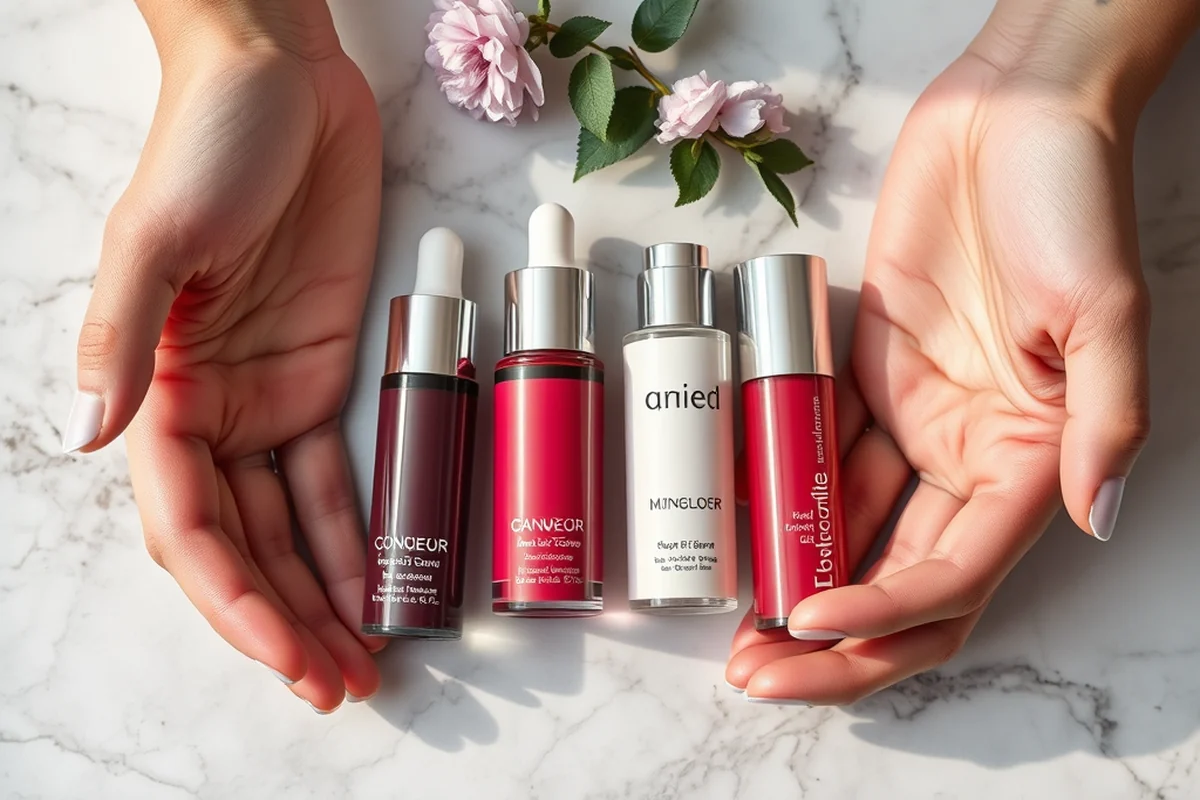
Creating eco-friendly lip gloss tubes requires a shift from traditional plastic to more sustainable alternatives. One of the most effective materials is biodegradable plastic made from plant-based sources, such as cornstarch or sugarcane. These materials break down naturally in the environment, reducing long-term waste.
Another option is using glass tubes, which are durable, reusable, and fully recyclable. Brands like The Body Shop have successfully implemented glass packaging for their lip gloss products, demonstrating that high-quality, eco-friendly packaging is both feasible and appealing to consumers.
For a more innovative approach, some companies are using bamboo or other natural fibers to create compostable tubes. These materials are not only sustainable but also add a unique aesthetic to the product, appealing to eco-conscious consumers who value both function and style.
Not Working
When eco-friendly lip gloss packaging doesn’t work as intended, it’s time to reassess the materials, design, and consumer feedback. A common issue is that sustainable materials may not perform as well as traditional plastics in terms of durability or product preservation. For example, a brand may find that a compostable tube begins to degrade prematurely when exposed to heat or humidity.
To address this, brands can conduct material testing under various environmental conditions and collaborate with packaging experts to find the most suitable options. For instance, some companies have found that using a combination of biodegradable materials and protective coatings can significantly improve performance without compromising eco-friendliness.
In addition to material testing, gathering and analyzing consumer feedback is crucial. If users report that the packaging is difficult to open or reseal, adjustments can be made to enhance usability. This iterative process ensures that the final product meets both sustainability goals and user expectations.
Lip Scrub
Creating eco-friendly lip scrub packaging involves using materials that are both safe for the environment and effective for the product. A popular option is using compostable tubes made from materials like cornstarch or bamboo. These materials break down naturally, reducing the long-term impact on the environment.
Another effective approach is to use recyclable glass or metal containers, which are durable and can be reused multiple times. For example, some brands have successfully repurposed glass jars used for lip scrubs, encouraging customers to return them for reuse or recycling.
Innovative brands are also exploring edible packaging made from natural ingredients like seaweed or rice paper, which are not only biodegradable but also completely safe for the environment. This trend is gaining momentum, with a 2022 report by Euromonitor International estimating that the market for edible packaging is expected to grow by 22% annually.
Lip Stain
Incorporating sustainable practices in lip stain packaging also involves sourcing materials locally and using energy-efficient manufacturing processes. Brands can further enhance their eco-friendly reputation by offering discounts or loyalty points for returning empty lip stain containers. This creates a closed-loop system that benefits both the environment and the brand’s customer engagement strategy.
Tools, Materials and Resources
To create eco-friendly lip gloss packaging, start by selecting tools like biodegradable molds, recyclable containers, and eco-friendly adhesives. These tools ensure that your packaging process aligns with sustainability goals without compromising quality or functionality.
Materials such as bamboo, recycled plastic, and compostable films are ideal for lip gloss packaging. These options not only reduce environmental impact but also appeal to eco-conscious consumers looking for sustainable beauty products.
Use online resources, eco-beauty supplier directories, and certifications like the Sustainable Packaging Coalition to guide your choices. These tools and resources help ensure your packaging is both effective and environmentally responsible.
Troubleshooting and Common Questions
Common issues include ensuring product stability in biodegradable containers and achieving a secure seal without harmful adhesives. Researching and testing eco-friendly alternatives can help overcome these challenges effectively.
Frequently asked questions involve the cost of sustainable packaging and consumer acceptance. While eco-friendly options may be slightly more expensive, their long-term benefits and growing consumer demand make them a viable investment.
Another common concern is the durability of eco-friendly materials. Using high-quality, tested materials and consulting with sustainability experts can help ensure that your packaging remains both functional and environmentally friendly.
Getting Started: Your First Steps
The first step in transitioning to eco-friendly packaging is to conduct a comprehensive audit of your current packaging materials and processes. This involves evaluating the environmental impact of your current packaging, including materials used, waste generated, and recyclability. This audit will help identify areas for improvement and serve as a baseline for measuring future progress.
Setting clear, measurable sustainability goals is essential for success. These goals might include reducing plastic use by a certain percentage within a specific timeframe, increasing the use of biodegradable materials, or achieving full recyclability. Having clear objectives allows you to track progress and remain accountable to both internal and external stakeholders.
Once you have a clear understanding of your current practices and goals, the next step is to research and identify sustainable packaging alternatives. This may involve working with eco-friendly suppliers, exploring innovative materials like compostable bioplastics or recycled paper, and testing prototypes to ensure they meet product requirements while aligning with your sustainability objectives.
🌱 Beginner
The simplest version — minimal supplies, quick win.
💰 Budget
Same result using what you already have.
⚡ Quick
The 10-minute version for busy days.
✨ Advanced
The upgraded version once the basics stick.
| The mistake | Why it happens | The fix |
|---|---|---|
| Ignoring material durability | Choosing eco-friendly materials that are not durable can lead to product failure or consumer dissatisfaction. | Test materials under various conditions and select those that offer both sustainability and performance. |
| Failing to consider user experience | Eco-friendly packaging that is difficult to use or reseal can deter consumers and reduce product satisfaction. | Gather consumer feedback and adjust packaging design to enhance usability and convenience. |
| Overlooking certifications | Not ensuring that eco-friendly packaging meets recognized sustainability standards can lead to mistrust and reduced brand credibility. | Verify that materials and packaging meet certifications such as FSC, Cradle to Cradle, or USDA BioPreferred. |
eco friendly lip gloss packaging checklist
Common Questions
How to make eco friendly lip gloss troubleshooting?
How to make eco friendly lip gloss alternatives?
How to make a custom lipbalm store eco friendly natural lip balm checklist?
How to eco friendly lip gloss tubes?
Cite this guide
Eco Friendly Lip Products for Sensitive Lips (2026). Eco Friendly Lip Gloss Packaging Checklist. https://safelipcare.com/eco-friendly-lip-gloss-packaging-checklist/
Feel free to cite or share this guide.
References
- Formaldehyde, D4, MEK, and Styrene in Children's Products (apps.ecology.wa.gov)
- Whls Pfx Item Description UOM August 1, 2020 Price 912462 STPLS ... (bidopportunities.iowa.gov)
- Is Cheap Makeup Bad for Your Skin [Health]? COEH's Shane Que ... (coeh.ph.ucla.edu)
- Treball Final de Grau (diposit.ub.edu)