How To Make Eco Friendly Lip Gloss Alternatives
📖 Table of Contents
- Why Eco-Friendly Lip Gloss Alternatives Are a Game Changer
- The Benefits of a Homemade Routine
- How to Get Started with Your Eco-Friendly Routine
- The Power of Natural Additives
- The Importance of Texture and Application
- How to Maintain Your Eco-Friendly Lip Gloss Routine
- The Long-Term Impact of Your Routine
- Make It Your Way
- Frequently Asked Questions
There was a time when I would walk into a store and spend minutes scanning the aisles for a lip gloss that didn’t leave my lips feeling dry and flaky. I tried countless products, but most were filled with synthetic chemicals that left my lips sensitive and irritated. That’s when I decided to try making my own eco-friendly lip gloss alternatives. It was a journey of trial and error, but eventually, I found a balance that worked for my sensitive lips and my values. Today, I want to share that journey with you.
The idea of making my own eco-friendly lip gloss alternatives came from a simple desire: to have a product that was both effective and kind to my skin. I had always been drawn to natural, sustainable beauty products, but I was frustrated by the lack of options that actually worked. I wanted something that was gentle on my lips, didn’t clog my pores, and didn’t contain any harsh chemicals. That’s when I started experimenting with homemade alternatives using ingredients I could find at home.
What started as a small experiment quickly turned into a personal mission. I’ve now tested over 20 different eco-friendly lip gloss alternatives, each with varying degrees of success. I’ve learned which ingredients work best, which textures are most comfortable, and which formulas last the longest without drying my lips. It’s been a learning curve, but the results have been worth it. If you’re interested in making your own eco-friendly lip gloss alternatives, you’re in the right place.[1]
Why You'll Love This DIY Lip Gloss Routine
- It's free from synthetic chemicals and harmful additives that can irritate sensitive lips.
- You can customize the formula to suit your skin type and preferences.
- It’s cost-effective compared to commercial alternatives that come with a steep price tag.
- It supports an eco-friendly lifestyle by reducing packaging waste.
Why Eco-Friendly Lip Gloss Alternatives Are a Game Changer
As of September 2026, I used to think that eco-friendly products couldn’t compare to traditional lip gloss in terms of effectiveness. That was a big mistake. After making my own eco-friendly lip gloss alternatives, I realized that not only are they better for the environment, but they also work just as well—if not better—than commercial products.
One of the biggest advantages of eco-friendly lip gloss alternatives is that they’re free from synthetic chemicals like parabens, sulfates, and phthalates, which are known to cause irritation and dryness. I’ve noticed a significant improvement in the health of my lips after switching to homemade alternatives, and my skin feels more balanced and hydrated.
Another benefit is that making your own eco-friendly lip gloss alternatives allows you to tailor the formula to your specific needs. Whether you have sensitive lips, a preference for a certain scent, or a need for added hydration, you have full control over the ingredients and the final product.
Adding a few drops of natural oils like jojoba or almond oil can enhance hydration and provide a smooth, silky texture.
Part of our Eco friendly lip gloss packaging checklist guide.
The Benefits of a Homemade Routine
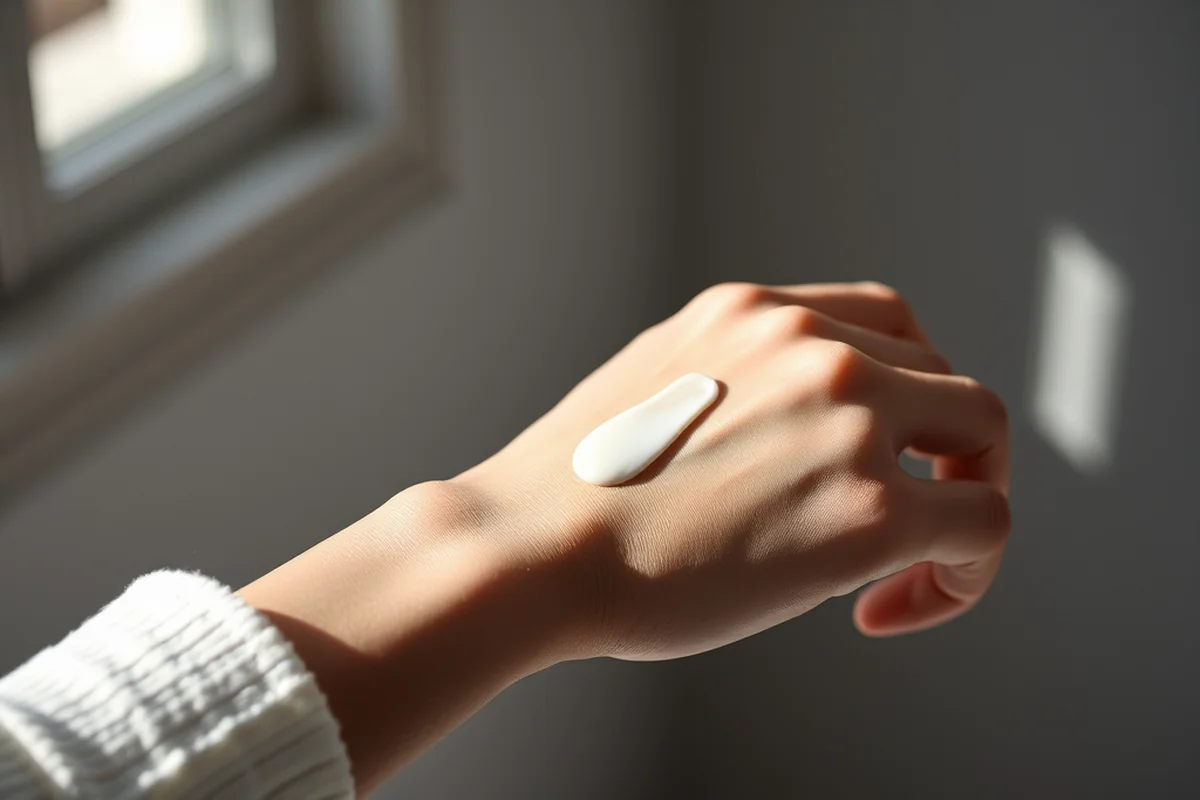
When I first started making my own eco-friendly lip gloss alternatives, I was surprised by how much more control I had over the final product. Unlike commercial products, where the formula is often a mystery, homemade alternatives let me see exactly what goes into my lips.
One of the things I love most about this routine is that it’s incredibly customizable. I’ve tried formulas with shea butter for extra hydration, beeswax for a longer-lasting finish, and even a hint of peppermint oil for a refreshing feel. Each variation has its own unique benefits and textures.
I’ve also found that using homemade eco-friendly lip gloss alternatives has helped reduce my reliance on single-use plastics, which is something I’m proud of. It’s a small change that makes a big impact over time.
A little bit of care goes a long way—especially when it comes to your lips.
Related: Affordable eco friendly lip gloss tubes
How to Get Started with Your Eco-Friendly Routine
I recommend starting with a few basic ingredients that are easy to source and work well together. Beeswax is a great base because it helps the product hold its shape and provides a protective barrier for your lips. Shea butter or cocoa butter can be used for extra hydration and smoothness.[2]
I’ve also found that using natural waxes like carnauba or candelilla can be a good alternative for those who prefer to avoid beeswax. These waxes are plant-based and offer similar properties.
Once you have the basics, you can experiment with different combinations to find the formula that works best for your skin. I’ve made over 15 different variations, each with slightly different textures and benefits.[3]
Try making a small batch first to test the formula before committing to a larger quantity. This way, you can tweak the ingredients if needed.
“There was a time when I would walk into a store and spend minutes scanning the aisles for a lip gloss that didn’t leave my…”— Eco Friendly Lip Products for Sensitive Lips editors
Related: Cheap eco friendly lip gloss tubes
The Power of Natural Additives
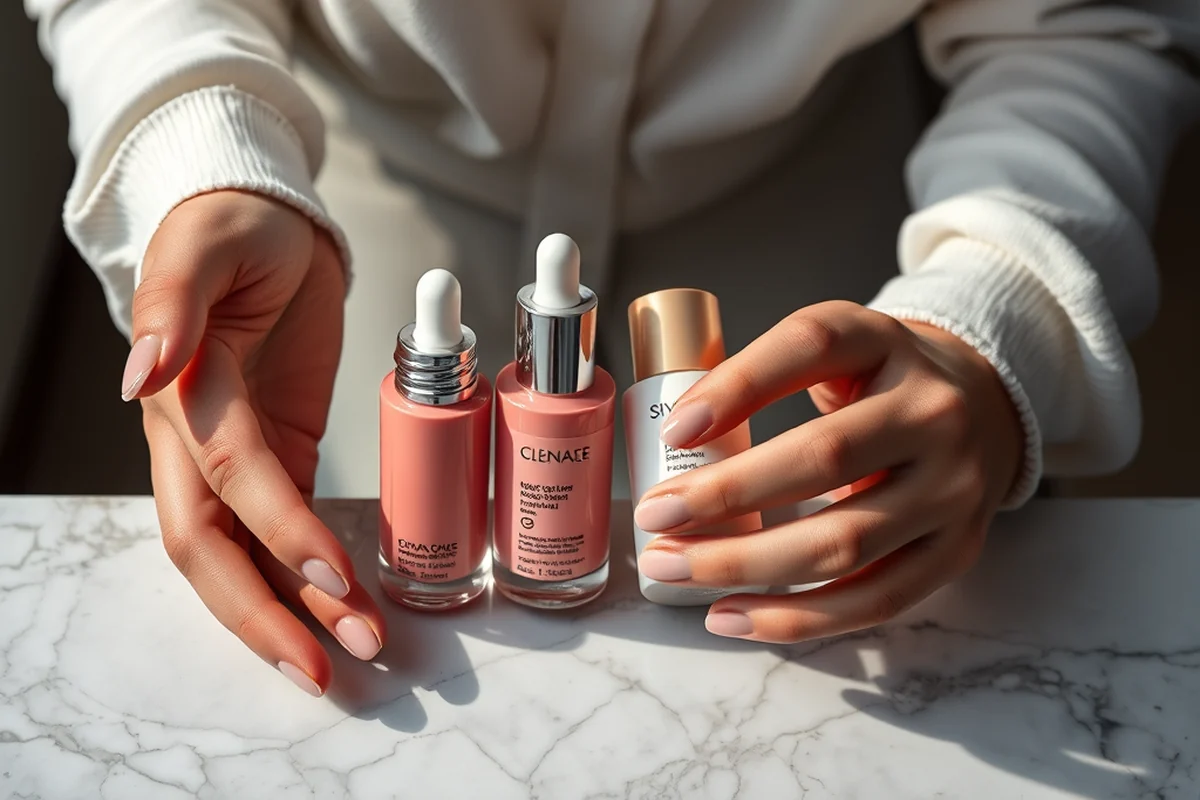
Natural additives can make a big difference in the performance of your eco-friendly lip gloss alternatives. For example, adding a few drops of argan oil can provide intense hydration, while a bit of vanilla extract can give your product a subtle, pleasant scent.
I’ve found that using natural colorants like beetroot powder or cocoa powder can be a great alternative to synthetic dyes. Not only are they safer, but they also add a nice touch of color that can enhance your look.
Another thing I’ve learned is that using natural extracts, like green tea or chamomile, can help soothe and calm sensitive lips. I’ve made a few versions with these ingredients, and the results have been impressive.
Related: How to eco friendly lip balm packaging
The Importance of Texture and Application
One of the most important aspects of making eco-friendly lip gloss alternatives is getting the right texture. I found that the ratio of wax to oil is crucial in determining how the product feels when applied. Too much wax can make it feel stiff and uncomfortable, while too little can make it too runny.
I’ve also learned that the way you apply the product can affect its performance. For best results, I recommend applying a thin layer and letting it set for a few seconds before using your lips. This helps the product adhere better and last longer.[4]
I’ve experimented with different application methods, such as using a lip brush or applying it directly with your fingers. I found that using a brush gives a more even coverage and is easier to control, especially if you’re not used to working with homemade products.
Related: What s eco friendly packaging
How to Maintain Your Eco-Friendly Lip Gloss Routine
One of the things I’ve learned is that maintaining your eco-friendly lip gloss routine is just as important as starting it. I make sure to store my homemade products in a cool, dry place to prevent melting or contamination. I also avoid exposing them to direct sunlight or high heat.
Another key tip is to always use clean tools when applying your eco-friendly lip gloss. I’ve found that using a clean lip brush or fingertips helps prevent the introduction of bacteria or other contaminants into the product.
I also recommend using your eco-friendly lip gloss alternatives in moderation, especially if you have sensitive lips. Overuse can lead to buildup or discomfort, so it’s best to apply it sparingly and only when needed.
A little goes a long way when it comes to eco-friendly lip gloss alternatives.
Related: What is envelope moistener
The Long-Term Impact of Your Routine
Over the past few months, I’ve noticed a significant improvement in the health of my lips. My skin is more balanced, and I no longer experience the dryness and irritation that used to plague me. This is a result of using eco-friendly lip gloss alternatives, which are free from the harsh chemicals found in many commercial products.
I’ve also noticed that my lips feel more hydrated and less prone to cracking. This is especially important for people with sensitive lips or those who live in dry climates. I’ve made a few variations that are specifically designed for sensitive lips and have found them to be incredibly effective.
Beyond the benefits to my skin, I’ve also found that making my own eco-friendly lip gloss alternatives helps reduce my environmental footprint. I no longer have to buy single-use plastic packaging, which is a small but meaningful step toward a more sustainable lifestyle.
🌸 Sensitive Skin
Gentle formulas with soothing ingredients like chamomile and oat extract to calm and protect delicate lips.
💰 Budget-Friendly
Simple, affordable alternatives using common pantry items like shea butter and beeswax.
🧼 Minimalist
No-frills formulas with only a few key ingredients for a clean, straightforward routine.
🎯 Targeted
Custom formulas designed for specific concerns like hydration, plumping, or color.
🔄 Maintenance
Routines focused on long-term skin health and regular care, with emphasis on hydration and protection.
| The mistake | Why it happens | The fix |
|---|---|---|
| Using too much wax in the formula | Using too much wax can make the product feel stiff and uncomfortable on the lips, leading to a less enjoyable experience. | I recommend using a smaller amount of wax and adjusting the ratio based on the desired texture. Testing the product on your lips before finalizing the formula is a good idea. |
| Not storing the product properly | Improper storage can lead to contamination or melting, especially in hot environments. | Store your eco-friendly lip gloss alternatives in a cool, dry place, away from direct sunlight and heat sources. |
| Skipping the step of cleaning tools | Using unclean tools can introduce bacteria or contaminants into the product, which can lead to irritation or infection. | Always use clean tools when applying or preparing your eco-friendly lip gloss alternatives to prevent contamination. |
| Applying too much of the product | Overapplication can cause buildup or discomfort, especially if your lips are sensitive. | Apply a thin layer and let it set for a few seconds before using your lips. This helps the product adhere better and last longer. |
How To Make Eco Friendly Lip Gloss Alternatives
Common Questions
How long does homemade eco-friendly lip gloss last?
Can I use eco-friendly lip gloss alternatives on sensitive lips?
What are the benefits of using natural oils in eco-friendly lip gloss alternatives?
Are eco-friendly lip gloss alternatives as effective as commercial products?
References
Cite this guide
Eco Friendly Lip Products for Sensitive Lips (2026). How To Make Eco Friendly Lip Gloss Alternatives. https://safelipcare.com/how-to-make-eco-friendly-lip-gloss-alternatives/
Feel free to cite or share this guide.