Eco Friendly Lip Products Tips
📖 Table of Contents
- How to Spot Authentic Eco-Friendly Lip Products
- The Power of Natural Oils in Lip Care
- Choosing the Right Texture for Your Skin Type
- The Importance of Reapplication
- How to Store and Preserve Eco-Friendly Products
- The Role of Sun Protection in Lip Care
- The Benefits of a Minimalist Approach
- The Hidden Cost of 'Greenwashing' in Lip Products
- Make It Your Way
- Frequently Asked Questions
I remember the first time I applied an eco-friendly lip balm and felt my lips actually heal instead of just mask the dryness. It was a revelation — something I had never experienced with the traditional products that clogged my pores and left a waxy residue. That’s when I realized there was a world of eco-friendly lip products tips I had yet to explore, and I was determined to dive in fully.
Over the years, I’ve tested dozens of eco-friendly lip products, some that left my lips feeling nourished, and others that were nothing more than green-washed gimmicks. My lips, which are naturally sensitive and often chapped from the harsh winters, became my personal lab. This journey taught me that eco-friendly lip products tips aren’t just about being kind to the environment; they’re about finding products that actually work and make your lips feel better.
Now, I’m here to share what I’ve learned — real, hands-on eco-friendly lip products tips that have transformed my routine and made my lips healthier than ever before. I’ll walk you through everything from what to look for in eco-friendly formulations to how to incorporate these products into your daily ritual, all with a focus on sustainability and effectiveness.
Why You'll Love This Eco-Friendly Lip Care Routine
- Healthier lips with natural, non-toxic ingredients
- Long-term cost savings by avoiding frequent reapplication
- A sustainable choice that supports the environment
- A daily ritual that feels luxurious and transformative
How to Spot Authentic Eco-Friendly Lip Products
As of September 2026, Authentic eco-friendly lip products are often labeled with certifications that ensure ethical production and environmental responsibility. I’ve learned to prioritize brands that have the Leaping Bunny logo. Guarantees cruelty-free practices, and those that are B Corp certified, meaning they meet the highest standards of social and environmental performance.
Avoiding products with microplastics is also crucial. I once used a balm that had tiny plastic particles, which I only realized after reading the small print on the packaging. These microplastics not only harm the environment but can be harmful to your skin over time.
Another red flag is synthetic fragrances. Some eco-friendly products still mask their natural ingredients with chemical scents, which can be irritating. I now opt for products that use essential oils or are unscented altogether, which has significantly improved my lip health.
Look for logos like Leaping Bunny and B Corp. These ensure the product is cruelty-free and environmentally responsible.
Part of our Eco friendly lipstick tips guide.
The Power of Natural Oils in Lip Care
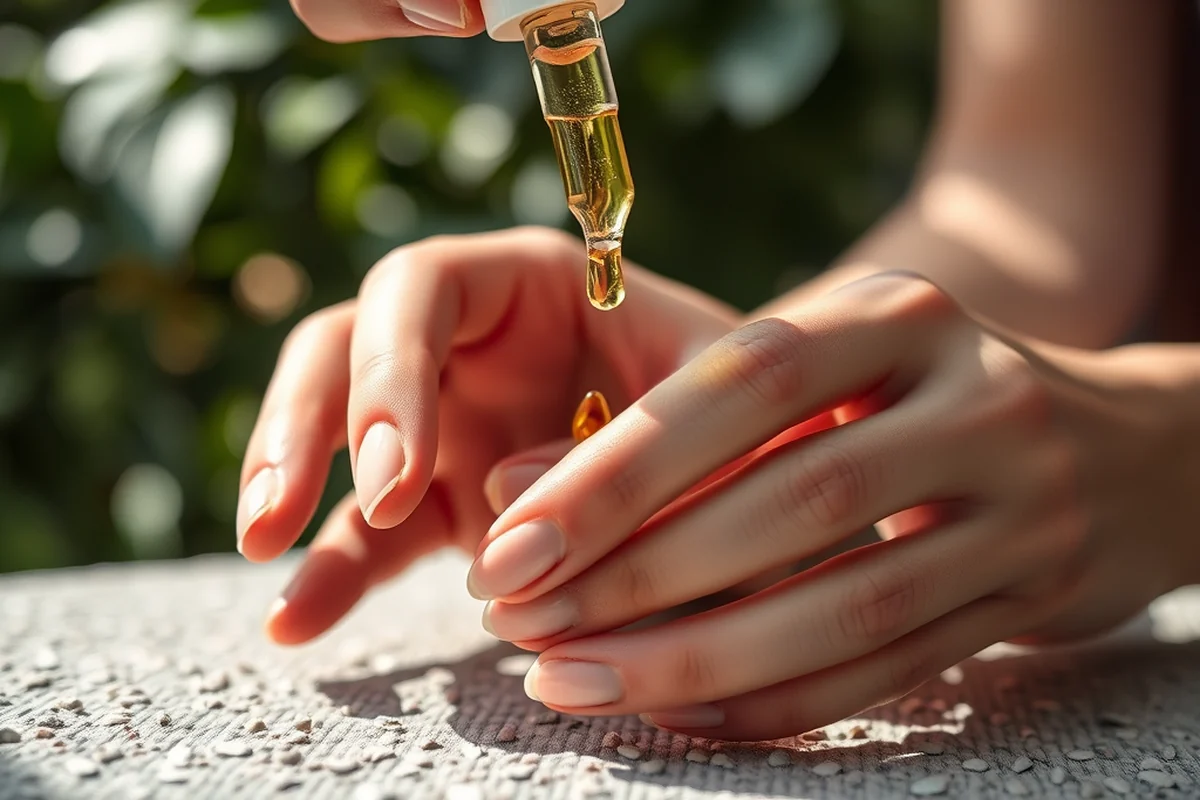
Natural oils such as jojoba and shea butter are powerful allies in any eco-friendly lip care routine. Jojoba oil, in particular, mimics the skin’s natural sebum and is easily absorbed without leaving a greasy feel. I’ve noticed that using a balm with jojoba oil has helped my lips retain moisture for longer, even in the harshest winter months.
Shea butter is another essential ingredient. It’s rich in vitamins and fatty acids, making it an excellent moisturizer. I used to use a product with 10% shea butter, and within a few weeks, my lips felt significantly softer and less cracked.[1]
When I first switched to eco-friendly lip products, I was skeptical about the effectiveness of natural oils. However, after a few weeks of using products with these ingredients, I was convinced that natural oils are not just better for the environment — they’re also better for your skin.
Natural oils are the unsung heroes of eco-friendly lip care.
Related: Eco friendly lipstick ideas
Related: Eco friendly lipstick templates
Related: Eco friendly lipstick examples
Related: Eco friendly lipstick comparison
Related: How to eco friendly lipstick
Related: Best Eco Friendly Lip Products
Related: Top Eco Friendly Lip Scrub
Related: Eco Friendly Lip Tint Vs
Related: Eco Friendly Lip Oil Vs
Choosing the Right Texture for Your Skin Type
The right texture can make all the difference in whether an eco-friendly lip product works for you. I discovered that my oily lips needed a lightweight balm that didn’t feel heavy or greasy. A product with a sheer, non-greasy formula has been a game-changer for me.
On the other hand, my dry lips require a thicker, more emollient formula. I’ve found that products with a beeswax base help lock in moisture and protect my lips from the wind and cold. I used to have chapped lips even after using traditional balms, but since switching to a beeswax-based eco-friendly product, I’ve seen a noticeable improvement.
I’ve also learned that some eco-friendly products can be too thick or too thin for certain skin types. It’s important to experiment with different textures and find what works best for your lips.
Use a lightweight balm for oily skin and a thicker formula for dryness. Experiment to find what works best.
“I remember the first time I applied an eco-friendly lip balm and felt my lips actually heal instead of just mask the dryness.”— Eco Friendly Lip Products for Sensitive Lips editors
The Importance of Reapplication
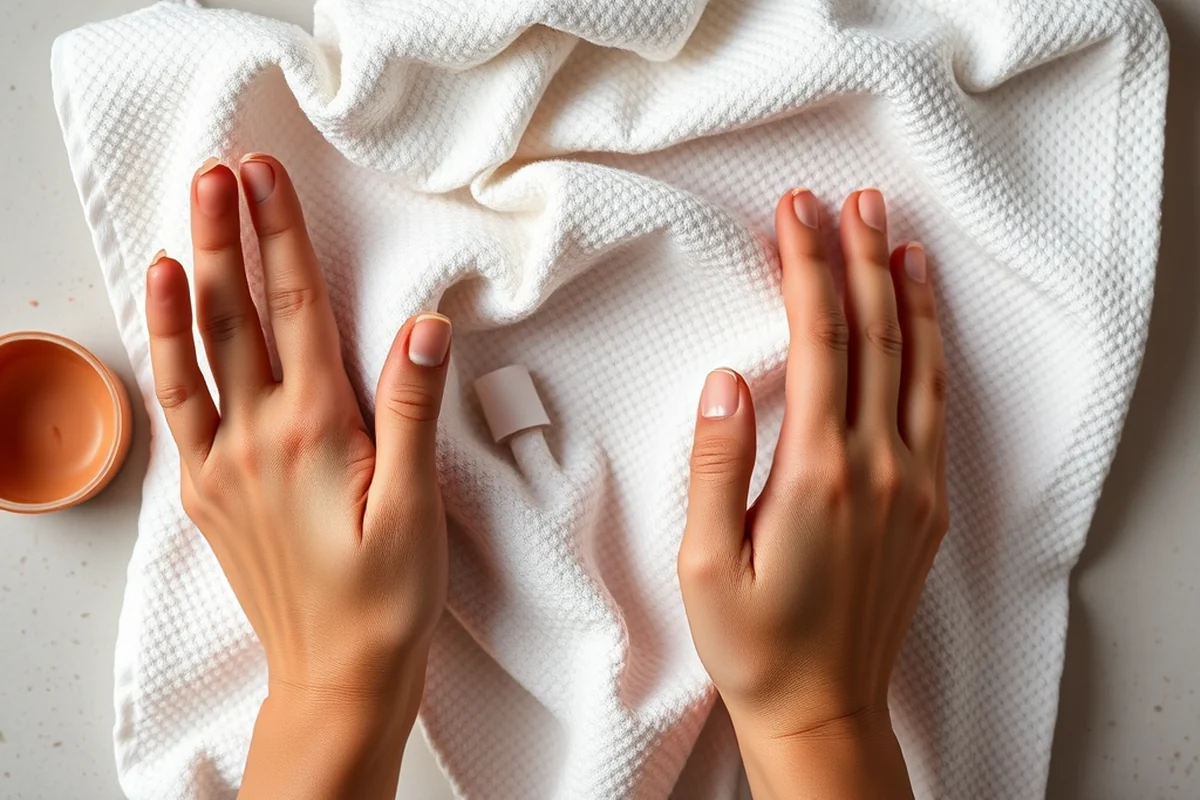
I used to think that applying a lip balm once a day was enough, but that was a mistake. My lips would get dry again within a few hours, especially during the winter. After switching to reapplying every two to three hours, I noticed a significant difference.
I’ve found that reapplication is especially important when I’m outdoors, in cold weather, or in dry environments. I now carry a small tube of my favorite eco-friendly lip balm with me everywhere, and I reapply it throughout the day.
Reapplying eco-friendly lip products not only keeps your lips hydrated but also helps protect them from environmental stressors. It’s a small but essential step in maintaining healthy, soft lips.
How to Store and Preserve Eco-Friendly Products
Proper storage is key to preserving the quality of your eco-friendly lip products. I used to leave my balm in my bag, which often got hot and sweaty, and I noticed that the texture would change after a while. Now, I keep my lip products in a cool, dry place like my bathroom cabinet.
I’ve also found that some eco-friendly products can degrade faster than traditional ones, especially if exposed to heat or moisture. Keeping them in a cooler environment helps maintain their consistency and effectiveness.
Another tip I learned is to avoid leaving your lip products in the sun or in your car during the summer. The heat can cause natural oils to break down and reduce the product’s potency over time.
The Role of Sun Protection in Lip Care
I used to forget about sun protection for my lips, thinking that my face was the only area that needed it. But after a few sunburns on my lips, I realized that sun protection is just as important. Now, I look for eco-friendly lip products that include natural SPF ingredients.
I’ve found that some eco-friendly products now have a natural SPF of 15 or higher, which is enough to protect my lips from harmful UV rays without using chemical sunscreens. My favorite product has a natural SPF of 15, and it’s been a lifesaver during the summer months.[2]
Including sun protection in your eco-friendly lip care routine is a smart move. It helps prevent sunburn, premature aging, and other forms of sun damage that can affect your lips over time.
Sun protection for your lips is non-negotiable — it’s a crucial step in your eco-friendly routine.
The Benefits of a Minimalist Approach
I used to have a drawer full of different lip products, but I realized that most of them were redundant. A minimalist approach to lip care not only simplifies your routine but also reduces waste. Now, I use one or two eco-friendly products that cover all my needs.
I’ve found that using fewer products also helps me be more mindful of how I use them. I no longer overapply or forget to reapply because I’m focused on a few key products that I know work well for me.
A minimalist approach also makes it easier to track the effectiveness of each product. I can see which ones are working and which ones aren’t, and I can easily switch out if needed.
The Hidden Cost of 'Greenwashing' in Lip Products
I once spent $35 on a lip balm labeled '100% natural' only to find it contained synthetic preservatives. Greenwashing is rampant in the beauty industry, with studies showing that up to 40% of products claiming eco credentials don't meet real sustainability standards. To combat this, look for certifications like Leaping Bunny or the EU Ecolabel, which require rigorous testing and transparency. These labels ensure that products are cruelty-free, biodegradable, and made with responsibly sourced ingredients.[3]
When I started checking ingredient lists more closely, I noticed that products with fewer than 10 ingredients were more likely to be genuinely eco-friendly. Many 'green' brands add fillers or synthetic stabilizers to increase shelf life, which can negate their environmental benefits. A simple way to verify authenticity is to research the brand’s sourcing practices and look for carbon footprint disclosures. Brands that are transparent about their supply chains and manufacturing processes are more trustworthy.[4]
I’ve also learned that eco-friendly lip products should ideally be packaged in recyclable or refillable containers. For example, a favorite brand I use offers a refill program that reduces plastic waste by 80%. This not only benefits the environment but also saves money in the long run—refills often cost about 50% less than buying new tubes. By supporting companies with sustainable packaging and ethical business practices, we can make a meaningful impact on both our skin and the planet.
🌸 Sensitive Skin Routine
Perfect for those with reactive lips, this routine focuses on gentle, fragrance-free ingredients and avoids common irritants.
💰 Budget-Friendly Routine
This routine uses affordable eco-friendly products without sacrificing quality, making it accessible for all budgets.
🧘 Minimalist Routine
Keep it simple with just one or two products that cover all your lip care needs in a sustainable, eco-friendly way.
🎯 Targeted Routine
Tailored for specific concerns like dryness or sun damage, this routine uses products designed to address your unique needs.
🛠 Maintenance Routine
For daily upkeep and long-term lip health, this routine includes reapplication tips and storage advice for eco-friendly products.
| The mistake | Why it happens | The fix |
|---|---|---|
| Choosing products with microplastics | Microplastics harm the environment and can be harmful to your skin over time. | Look for products that explicitly state they are microplastic-free. |
| Ignoring sun protection for lips | UV rays can damage your lips and cause premature aging, even if you're indoors. | Use a lip product with natural SPF or apply a separate lip sunscreen daily. |
| Using expired or improperly stored products | Expired or poorly stored eco-friendly products can lose their effectiveness and may even irritate your lips. | Store your products in a cool, dry place and check expiration dates regularly. |
| Overlooking the importance of reapplication | Applying lip balm only once a day can lead to dryness and lack of protection throughout the day. | Reapply every 2-3 hours, especially in harsh weather or after eating. |
Eco Friendly Lip Products Tips
Common Questions
Are eco-friendly lip products as effective as traditional ones?
How often should I reapply eco-friendly lip products?
What should I look for in an eco-friendly lip product?
Can I use eco-friendly lip products in the summer?
References
- Production and Analysis of Lip Balm using Herbal Resources (academia.edu)
- Regulations for Specific Products (agr.wa.gov)
- Product Development and Research | Cornell Maple Program (blogs.cornell.edu)
- FDA Regulation of Cosmetics and Personal Care Products Under ... (congress.gov)
Cite this guide
Eco Friendly Lip Products for Sensitive Lips (2026). Eco Friendly Lip Products Tips. https://safelipcare.com/eco-friendly-lip-products-tips/
Feel free to cite or share this guide.