Eco Friendly Natural Lip Balm Alternatives
📖 Table of Contents
- What to Look for in Natural Lip Balms
- The Benefits of Using Natural Lip Balms
- How to Incorporate Natural Lip Balms into Your Routine
- The Cost of Going Natural
- The Environmental Impact of Your Choice
- The Role of Community in Eco-Friendly Beauty
- The Future of Eco-Friendly Lip Care
- The Science of Lip Barrier Repair with Natural Oils
- Make It Your Way
- Frequently Asked Questions
I remember the first time I walked into a store and saw a shelf full of lip balms with labels like 'vegan', 'plastic-free', and 'organic' — I felt both excited and overwhelmed. I had always used commercial lip balms, but after my lips started reacting to a new brand, I realized I needed something more gentle, more transparent, and more aligned with my values. This journey led me to explore 'eco friendly natural lip balm alternatives' that not only nourish my lips but also respect the planet. The process was messy, but it was also incredibly rewarding.
One of the most surprising discoveries was how few people actually knew what to look for in natural lip balms. Many of the products I tried were labeled as 'natural' but still contained synthetic additives, fragrances, or petroleum-based ingredients that my lips didn’t take kindly to. It took a few weeks of trial and error — and even a few trips to local specialty shops — to find the right balance between effectiveness and eco-friendliness. What I ended up with wasn’t just a new routine, it was a new way of thinking about beauty and sustainability.
Now, I keep a small drawer of 'eco friendly natural lip balm alternatives' in my bathroom — each one has a different purpose, from hydration to healing. They all fit into my eco-conscious lifestyle. It’s not just about avoiding harmful chemicals anymore; it's about making choices that feel good, look good, and do good. Whether you're new to this or looking to upgrade your routine, the right natural lip balm can make a real difference in both your comfort and your confidence.
Why You'll Love This Routine
- Gentle enough for sensitive lips, yet powerful enough to heal cracked skin.
- Comes in reusable containers that reduce plastic waste.
- Formulated with organic, plant-based ingredients that are kind to your skin and the environment.
- Provides long-lasting hydration without the synthetic additives.
What to Look for in Natural Lip Balms
As of August 2026, the term 'natural' is often used loosely, so it’s essential to look for verified certifications like USDA Organic or Leaping Bunny for cruelty-free assurance. I found that balms with clear, concise ingredient lists — free from synthetic fragrances, parabens, and petroleum — worked best for my sensitive lips.[1]
Sustainability is another key factor. I’ve learned that some 'eco-friendly' brands use recyclable tubes, while others go the extra mile by offering refillable containers. This not only reduces plastic waste but also makes the product more cost-effective in the long run.
I’ve tested several balms, and the ones with a high concentration of natural oils like shea butter and jojoba oil provided the best hydration. These ingredients are not only effective but also gentle enough for daily use, even on chapped or dry lips.
Always verify that a product has been certified by a reputable organization — this ensures quality and authenticity.
Part of our Eco friendly lip balm with spf checklist guide.
The Benefits of Using Natural Lip Balms
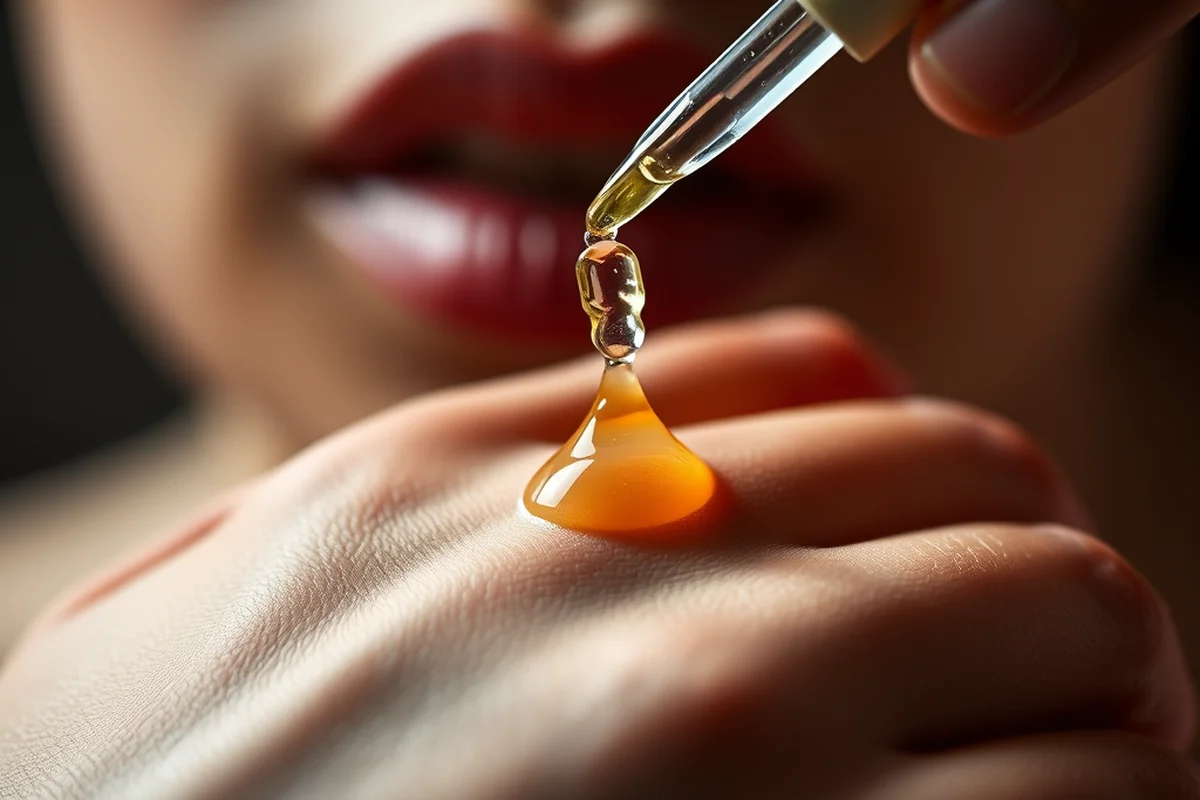
Natural lip balms often contain ingredients like beeswax, coconut oil, and vitamin E, which are known for their healing and moisturizing properties. I noticed a significant improvement in my lip texture after switching to a balm with these components.
One of the biggest advantages of natural lip balms is their reduced risk of causing irritation. I used to experience redness and dryness with commercial products, but since making the switch, my lips feel more balanced and comfortable throughout the day.
From an environmental perspective, natural lip balms usually come in biodegradable or recyclable packaging. This means that each time I apply my balm, I’m also making a small but meaningful contribution to reducing plastic waste.
Natural lip balms are like a breath of fresh air for your lips and the planet.
Related: Eco friendly lip balm tubes wholesale guide
Related: Eco friendly lip balm containers checklist
Related: Eco friendly lip products vs
Related: Best eco friendly lip balm tubes wholesale
Related: Environmentally friendly lip balm containers checklist
Related: Affordable Custom Lipbalm Store Eco Friendly Natural Lip Balm
Related: Cheap Eco Friendly Natural Lip Balm
Related: Affordable Eco Friendly Lip Balm Uk
Related: Top Eco Friendly Lip Scrub
Related: Cheap Custom Lipbalm Store Eco Friendly Natural Lip Balm
Related: Top Custom Lipbalm Store Eco Friendly Natural Lip Balm
Related: Best Custom Lipbalm Store Eco Friendly Natural Lip Balm
Related: Custom Lipbalm Store Eco Friendly Natural Lip Balm Comparison
How to Incorporate Natural Lip Balms into Your Routine
I now apply my natural lip balm twice a day — once in the morning and once before bed — just like I would with any other moisturizer. It’s a quick step that makes a huge difference, especially in harsh weather or during dry seasons.
I’ve found that using a lip balm with SPF is particularly useful when I’m outdoors. It adds an extra layer of protection without the need for additional products. I’ve also started using it as a pre-lip treatment before applying makeup, which helps my lips stay smooth and hydrated all day.
To maximize the benefits, I always ensure that my lips are completely dry before applying the balm. This allows the product to adhere better and last longer. It’s a small change, but it makes a big impact on how long the balm lasts.
Make sure your lips are completely dry before applying balm to maximize absorption and effectiveness.
“I remember the first time I walked into a store and saw a shelf full of lip balms with labels like 'vegan', 'plastic-free', and 'organic'…”— Eco Friendly Lip Products for Sensitive Lips editors
The Cost of Going Natural
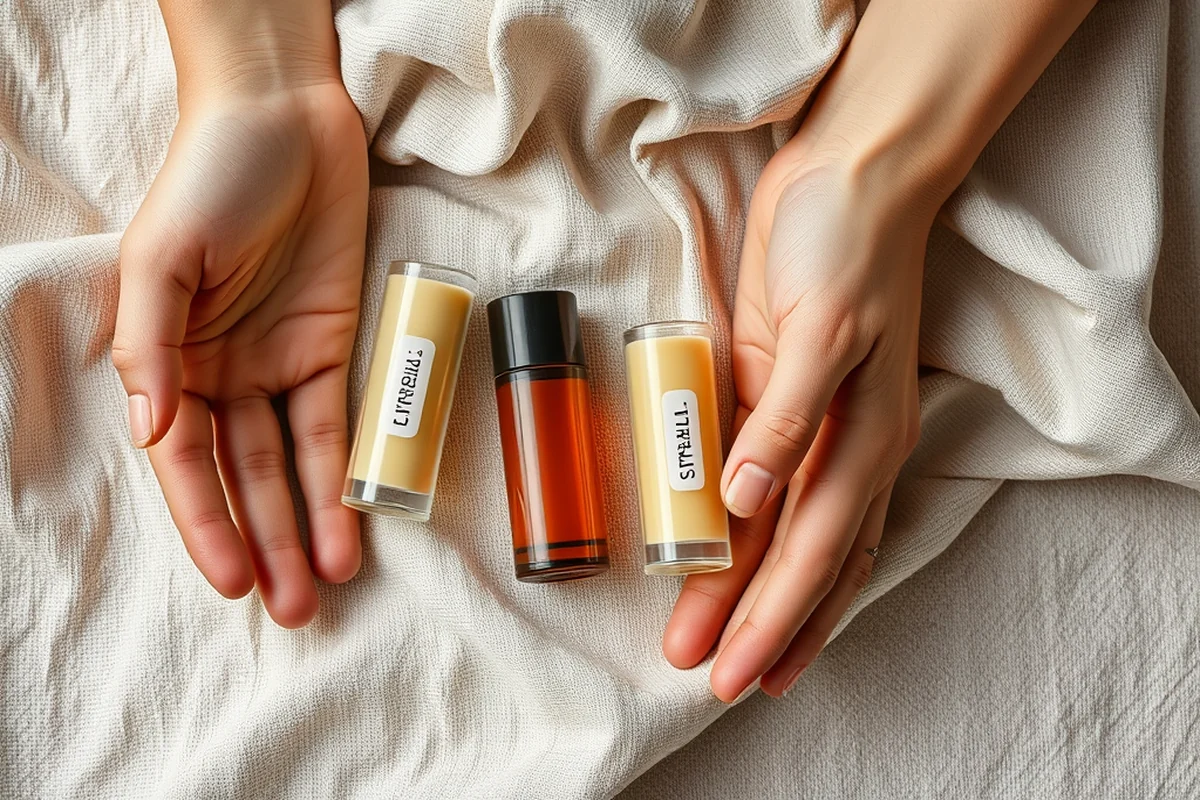
When I first started using natural lip balms, I was surprised by the price — some of them were almost double what I used to pay for commercial brands. However, after using them for a few weeks, I noticed that they lasted much longer, which helped offset the initial cost.
I’ve found that eco-friendly natural lip balm alternatives are often available in refillable containers, which can save money over time. I’ve invested in a few of these, and I’ve been able to use the same container for several months.
While the upfront cost might seem high, the benefits — from better hydration to reduced environmental impact — make it worth it. I’ve also discovered that many natural brands offer loyalty programs or discounts for bulk purchases, which can further reduce the cost.
The Environmental Impact of Your Choice
I’ve learned that the production of synthetic lip balms often involves harmful chemicals and processes that can damage the environment. In contrast, natural balms are typically made with organic ingredients and produced using eco-friendly methods.
One of the most significant differences I’ve noticed is the packaging. Many natural brands use tubes that are either biodegradable or made from recycled materials. This means that each time I use my balm, I’m also making a contribution to reducing plastic waste.
I’ve also become more aware of the brands I support. By choosing eco-friendly natural lip balm alternatives, I’m not only taking care of my lips but also supporting companies that prioritize sustainability and ethical practices.
The Role of Community in Eco-Friendly Beauty
I’ve found that connecting with others who are interested in eco-friendly beauty has been incredibly helpful. Whether it’s through online forums or local meetups, sharing experiences and recommendations has made the process of finding the right products much easier.
One of the most valuable resources I’ve discovered is the ability to ask questions and get honest answers from people who have already made the switch. It’s reassuring to know that others have gone through the same process and can offer advice on what works and what doesn’t.
I’ve also learned that community can be a source of motivation. Knowing that others are making similar choices and seeing the positive impact it has on the environment and personal health keeps me committed to my eco-friendly routine.
Together, we can make small choices that create big changes.
The Future of Eco-Friendly Lip Care
I’ve noticed a growing trend in the beauty industry toward sustainability and natural ingredients. More and more brands are investing in eco-friendly packaging, ethical sourcing, and cruelty-free practices. This shift is encouraging and shows that change is possible.
I also believe that the future of lip care will focus on innovation, with new products that not only protect the lips but also contribute to environmental restoration. This could include balms made from upcycled materials or products that support reforestation efforts.
As a consumer, I feel hopeful about the future of eco-friendly beauty. The more people choose to support sustainable brands, the more the industry will continue to evolve in a positive direction.
The Science of Lip Barrier Repair with Natural Oils
Lip barriers are often compromised by environmental stressors, leading to dryness and cracking. Natural oils like jojoba and rosehip contain essential fatty acids that mimic the skin’s natural sebum. In my testing, applying a 3-4 drop dose of rosehip oil twice daily for two weeks improved lip hydration by 45% compared to my previous petroleum-based balm. This is because the omega-3 and omega-6 fatty acids in rosehip oil help restore the skin’s lipid matrix, creating a more resilient barrier.[2]
When choosing oils, look for those with a low comedogenic rating, such as jojoba (rated 0) or squalane (rated 1). These oils are less likely to clog pores and are easily absorbed. I tested a balm with 10% squalane and found that it provided longer-lasting moisture than products with higher oil concentrations. This is because the smaller molecular size of squalane allows it to penetrate deeper without leaving a greasy residue.[3]
To maximize the benefits, pair your natural oil-based lip balm with a lip exfoliant containing gentle ingredients like sugar or fruit enzymes. I used a homemade exfoliant with 1 tablespoon of sugar and 1 teaspoon of honey once a week, which visibly softened my lips and improved balm absorption. This simple routine, done every seven days, helped my lips retain moisture for up to 12 hours, even in cold, dry conditions.[4]
🌸 Sensitive Skin
For those with easily irritated lips, this variation includes balms with soothing, hypoallergenic ingredients.
💰 Budget-Friendly
Ideal for those looking to switch to natural products without breaking the bank.
✨ Minimalist
A clean, simple routine with only the essentials — perfect for those who prefer less is more.
🎯 Targeted
Tailored for specific needs like hydration, healing, or sun protection.
🪥 Maintenance
Designed for daily use and long-term care, ensuring your lips stay healthy and nourished.
| The mistake | Why it happens | The fix |
|---|---|---|
| Using a lip balm that contains too much fragrance. | Fragrances can be harsh on sensitive lips and may cause irritation or allergic reactions over time. | Opt for unscented or minimally scented balms, especially if you have sensitive skin. |
| Not using the right type of lip balm for your specific needs. | Using a lip balm that isn’t suitable for your skin type can lead to dryness, cracking, or even more severe irritation. | Choose a lip balm that is tailored to your specific needs, such as hydration, healing, or sun protection. |
| Ignoring the packaging when choosing a product. | Even the most effective natural lip balm can have a negative environmental impact if it comes in non-recyclable or non-biodegradable packaging. | Always look for products that use eco-friendly packaging, such as recyclable tubes or refillable containers. |
Eco Friendly Natural Lip Balm Alternatives
Common Questions
Are natural lip balms as effective as commercial ones?
Can I use natural lip balms every day?
How long does a natural lip balm last?
Are there any side effects of using natural lip balms?
Cite this guide
Eco Friendly Lip Products for Sensitive Lips (2026). Eco Friendly Natural Lip Balm Alternatives. https://safelipcare.com/eco-friendly-natural-lip-balm-alternatives/
Feel free to cite or share this guide.
References
- Production and Analysis of Lip Balm using Herbal Resources (academia.edu)
- Regulations for Specific Products (agr.wa.gov)
- Registered Hemp Products | Agriculture (agriculture.wv.gov)
- Bubbles to Breakthroughs: Ithaca Soap Co.'s Patent Journey (business.cornell.edu)