Eco Friendly Lip Products For Beginners
📖 Table of Contents
For beginners exploring eco-friendly lip products, the journey can feel overwhelming, but it’s also an exciting way to align beauty routines with sustainability. Eco-friendly lip products for beginners offer a gateway to healthier habits and a reduced environmental footprint without compromising on quality or style. Whether you're new to clean beauty or simply looking to make more conscious choices, this guide will help you handle the world of eco-friendly lip products with confidence.
Eco-friendly lip products are designed to be kind to both your lips and the planet, often using natural, non-toxic ingredients and sustainable packaging. As the demand for clean, ethical beauty grows, so does the variety of options available, making it easier than ever to find products that suit your needs and values. This hub serves as your go-to resource for understanding the different types of eco-friendly lip products and how to choose the best ones for your lifestyle.
From lip oils to lip masks, each product category offers unique benefits and considerations for eco-conscious beginners. This guide will introduce you to the most popular eco-friendly lip products, explain their advantages, and direct you to deeper resources for more specialized information. Whether you're seeking hydration, color, or exfoliation, there's an eco-friendly option that fits your needs.
Key Takeaways
- Eco-friendly lip products are formulated with natural, non-toxic ingredients and sustainable packaging.
- Choosing the right product depends on your specific needs, whether you're looking for hydration, color, or exfoliation.
- Look for certifications like Leaping Bunny or B Corp to ensure ethical and eco-friendly manufacturing.
- Affordable options exist, and many eco-friendly brands prioritize sustainability without sacrificing quality.
Lip Oil
As of August 2026, Lip oils are a popular choice among eco-conscious beginners due to their lightweight, hydrating formulas and minimal packaging. Unlike traditional lip balms, many lip oils are made with natural, plant-based ingredients such as jojoba oil, argan oil, and shea butter, which nourish and protect the lips without harmful additives. These oils are often packaged in recyclable glass or reusable tubes, reducing single-use plastic waste.[1]
Lip oils can also serve as a natural alternative to traditional lipsticks, offering a subtle, glossy finish that enhances the lips' natural color. According to a 2023 report by Grand View Research, the global lip oil market is expected to grow at a compound annual rate of 6.8% through 2030, driven in part by the increasing demand for clean, sustainable beauty products. This trend has led to a surge in eco-friendly brands such as 100% Pure and Kora Organics, which prioritize both ingredient quality and environmental impact.[2]
For beginners, it’s important to choose a lip oil that is free from synthetic fragrances, parabens, and other harsh chemicals. Brands that are certified by organizations like Leaping Bunny or B Corp are excellent choices, as they ensure ethical sourcing and production. A quick tip: apply lip oil after exfoliating your lips for an extra boost of hydration and smoothness.
In this guide:
Lip Gloss
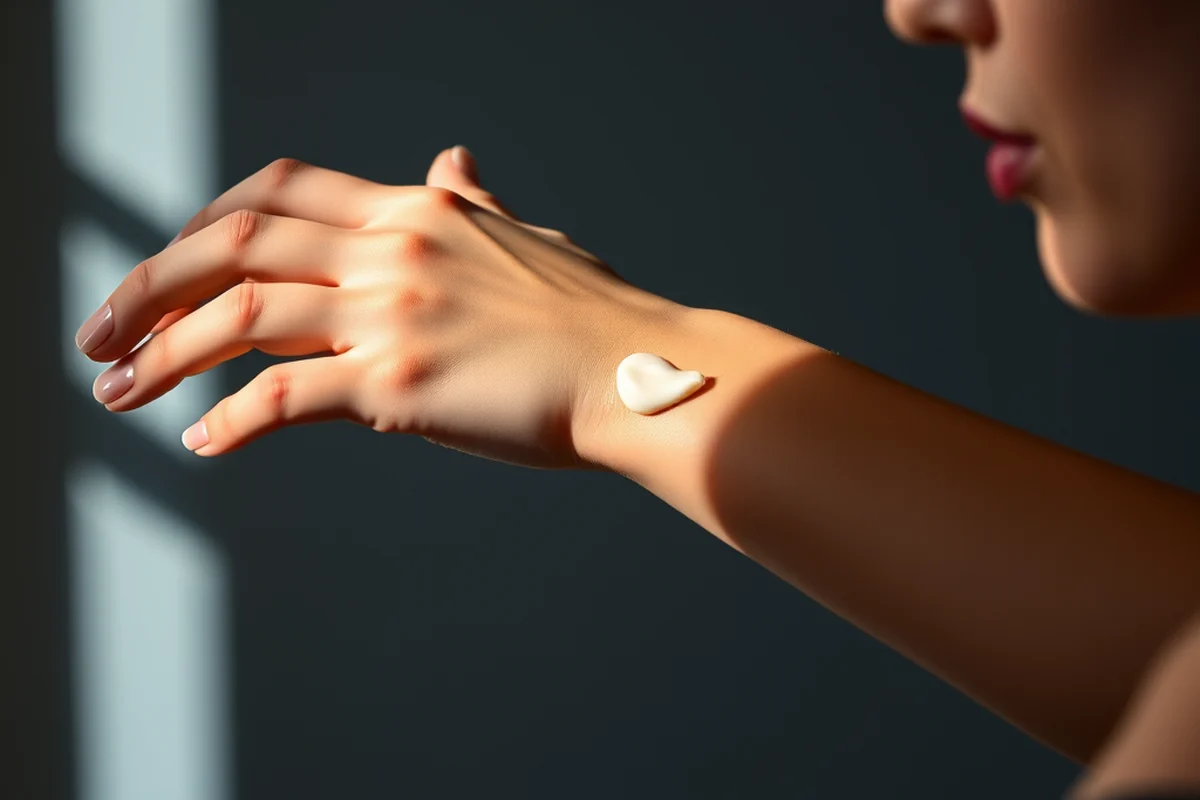
Eco-friendly lip glosses are an excellent choice for beginners who want to add color and shine to their lips without compromising their values. Many of these products use natural waxes and pigments, such as carnauba wax and beetroot extract, to provide a glossy finish that lasts throughout the day. Unlike conventional lip glosses, which often contain petroleum-based ingredients and plastic packaging, eco-friendly alternatives use biodegradable or recyclable materials.
Brands like Eco Lips and The Lip Bar offer a wide range of lip glosses that are free from harmful chemicals and come in eco-conscious packaging. According to a 2022 survey by Mintel, 62% of consumers are now more likely to purchase beauty products that are sustainably packaged, highlighting a growing trend in the industry. This shift has led to the development of refillable and compostable lip gloss options, making it easier to reduce your environmental impact.[3]
When choosing an eco-friendly lip gloss, look for products that are cruelty-free, vegan, and free from synthetic fragrances. A great tip is to apply lip gloss after using a lip oil or balm for a more hydrated, even finish. For an extra pop of color, pair your gloss with a natural lip tint or liner.
Related: Eco Friendly Lip Products Vs
Related: Affordable Eco Friendly Lip Mask
Related: Cheap Eco Friendly Lip Gloss
Related: Cheap Eco Friendly Lip Oil
Related: Top Eco Friendly Lip Tint
Related: Best Eco Friendly Lip Liner
Related: Best Eco Friendly Lip Tint
Related: Eco Friendly Lip Gloss Tubes Vs
Related: Eco Friendly Lip Tint Comparison
Related: Eco Friendly Lip Scrub Comparison
Related: Eco Friendly Lip Tint Vs
Related: Eco Friendly Lip Oil Vs
Lip Tint
Lip tints are a great option for beginners looking to add a subtle pop of color to their lips without the heavy feel of traditional lipstick. These products often use natural pigments, such as beetroot or pomegranate extract, to create a soft, natural flush that blends seamlessly with the skin. Unlike conventional lipsticks, which may contain synthetic dyes and preservatives, eco-friendly lip tints prioritize clean, non-toxic ingredients.
Many eco-friendly lip tints come in minimalist packaging, such as recyclable tubes or compostable paper envelopes, reducing the environmental impact of your beauty routine. Brands like RMS Beauty and Juice Beauty are known for their commitment to sustainability, using refillable containers and ethical sourcing practices. These brands also often align with cruelty-free and vegan certifications, ensuring that their products are not only eco-friendly but also ethically produced.
For beginners, it’s important to choose a lip tint that matches your natural lip tone or complements your skin tone. A light application can create a natural flush, while a heavier application can provide more intense color. Pair your lip tint with a lip oil or balm for added hydration and a smoother finish.
“Lip tints are a great option for beginners looking to add a subtle pop of color to their lips without the heavy feel of traditional…”— Eco Friendly Lip Products for Sensitive Lips editors
Related: Eco Friendly Lip Gloss Tubes Tips
Lip Liner
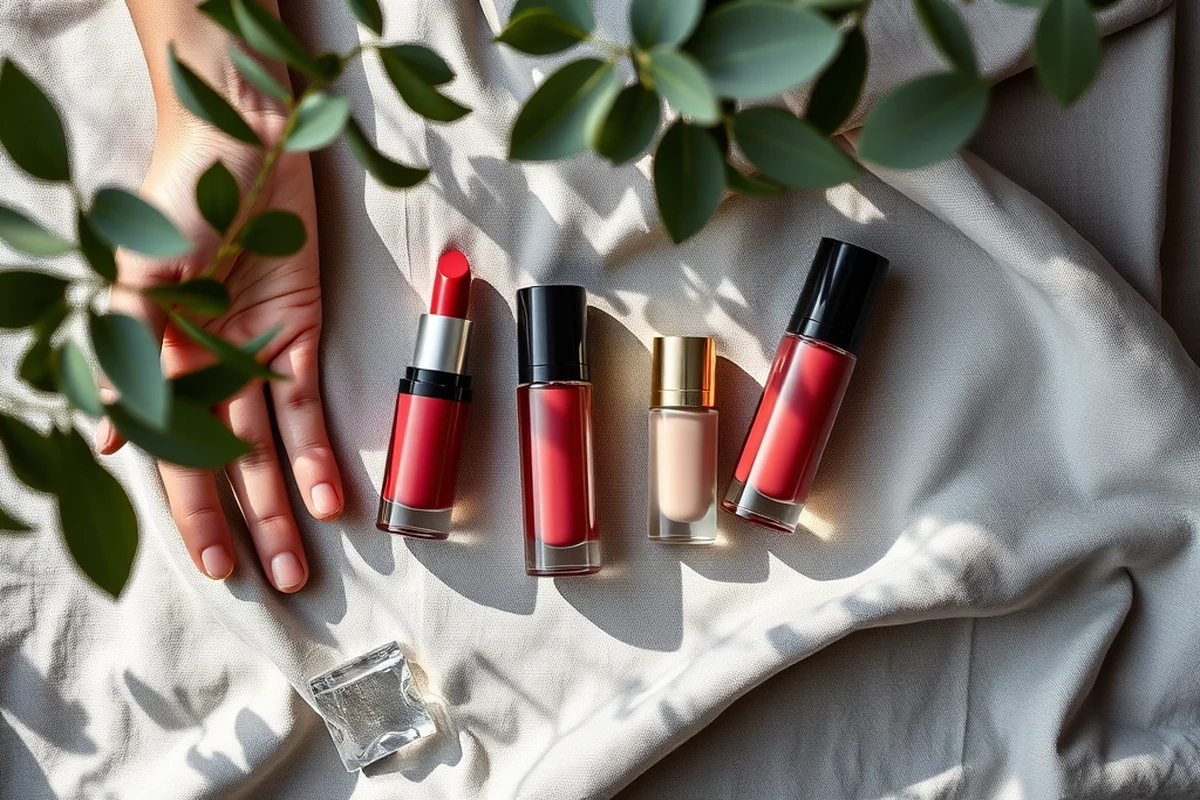
Lip liners are essential for beginners who want to create a more defined and polished look, and eco-friendly options are now more accessible than ever. These products often use natural waxes, such as beeswax or carnauba wax, and natural pigments to outline and shape the lips without the use of synthetic ingredients. Many eco-friendly lip liners are also packaged in recyclable or reusable tubes, reducing single-use plastic waste.
Brands like ILIA and Biossance have developed eco-friendly lip liners that are free from parabens, sulfates, and other harmful chemicals. According to a 2023 report by Nielsen, 73% of global consumers are willing to pay more for sustainable products, which has led to a rise in eco-conscious beauty brands that prioritize both quality and sustainability. These brands often use refillable packaging, making it easier to reduce your environmental impact over time.[4]
When choosing an eco-friendly lip liner, look for products that are cruelty-free, vegan, and free from synthetic fragrances. A great tip is to apply your lip liner before using a lip oil or balm to ensure a smooth, even application. For a more defined look, blend the liner with a lip gloss or tint for a natural, polished finish.
Lip Scrub
Lip scrubs are an excellent addition to any eco-friendly beauty routine, helping to exfoliate and smooth the lips for a more even appearance. These products often use natural ingredients such as sugar, honey, and oils to gently remove dead skin cells and reveal soft, hydrated lips. Unlike conventional lip scrubs, which may contain synthetic chemicals and microplastics, eco-friendly versions prioritize clean, non-toxic formulas.
Brands like The Ordinary and Herbivore Botanicals offer eco-friendly lip scrubs that are free from harmful chemicals and come in recyclable or compostable packaging. According to a 2022 study by the Environmental Working Group, over 60% of conventional lip products contain at least one harmful ingredient, making the shift to eco-friendly alternatives even more important. These eco-friendly lip scrubs not only protect your lips but also help reduce your environmental footprint.[5]
For beginners, it’s important to choose a lip scrub that is gentle and suitable for sensitive lips. A quick tip is to use the scrub once a week and follow up with a hydrating lip oil or balm for maximum benefits. For an extra boost of hydration, pair your lip scrub with a lip mask for a deep conditioning treatment.
Lip Mask
Lip masks are a game-changer for beginners looking to deeply hydrate and nourish their lips in a natural, eco-friendly way. These products are often infused with ingredients like hyaluronic acid, shea butter, and aloe vera, which help to lock in moisture and repair dry, chapped lips. Unlike conventional lip balms, which may contain petroleum-based ingredients, eco-friendly lip masks prioritize clean, plant-based formulations.
Brands like Lush and The Ordinary offer affordable, eco-friendly lip masks that are packaged in recyclable or biodegradable materials. According to a 2023 survey by Statista, 68% of consumers now prioritize sustainability in their beauty purchases, leading to an increase in eco-conscious products on the market. These lip masks not only deliver powerful hydration but also help reduce the environmental impact of your beauty routine.
For beginners, it’s best to choose a lip mask that is free from synthetic fragrances, parabens, and other harmful chemicals. A great tip is to apply the mask overnight for maximum hydration and follow up with a lip oil or balm in the morning for a smooth, even finish. For an extra boost of color and definition, pair your lip mask with a natural lip tint or liner.
Lip Balm
Eco-friendly lip balms are crafted with natural oils like shea butter, coconut oil, and beeswax, which provide deep hydration without synthetic additives. These balms avoid harmful chemicals such as parabens, SLS, and petroleum-based ingredients, making them safer for both your skin and the planet.
Many eco-conscious brands use recyclable or biodegradable tubes, reducing plastic waste. Look for products with minimal packaging or refillable options to further minimize environmental impact.
When choosing an eco-friendly lip balm, prioritize brands that are cruelty-free, vegan, and certified by organizations like Leaping Bunny or Ecocert. These certifications ensure ethical production and sustainability standards are met.
Lip Stain
Lip stains provide a natural, subtle flush of color with fewer ingredients than traditional lipsticks. Many eco-friendly options use plant-based pigments, such as beetroot or fruit extracts, to achieve a vibrant yet gentle look on the lips.
These products often avoid harmful toxins like lead, heavy metals, and synthetic dyes. They are also typically more water-resistant, meaning you need less product for longer wear, reducing overall usage and environmental impact.
Sustainable lip stain brands often use recyclable or compostable packaging. Look for labels that indicate the product is vegan, cruelty-free, and made with organic or fair-trade ingredients to ensure ethical and eco-conscious practices.
Tools, Materials and Resources
To start making eco-friendly lip products, beginners should gather essential tools such as lip brushes, small mixing bowls, and spatulas. These tools ensure a clean and efficient process when working with natural ingredients. Opting for reusable or biodegradable containers is also crucial to maintain an eco-conscious approach.
Natural materials like shea butter, coconut oil, and beeswax are excellent bases for eco-friendly lip products. These ingredients are sustainable, nourishing, and widely available from ethical suppliers. It's important to source them from cruelty-free and eco-certified brands to ensure alignment with green values.
For additional guidance, beginners can explore online tutorials, eco-beauty blogs, and forums where experienced DIYers share tips and tricks. There are also numerous downloadable guides and printable checklists available that simplify the process of creating homemade, eco-friendly lip products.
Troubleshooting and Common Questions
One common issue beginners face is the texture of their homemade lip products. If the mixture feels too greasy or too dry, adjusting the ratio of oils to butters can help achieve a balanced consistency. Experimenting with small batches allows for easy modifications before scaling up.
Another frequent concern is the longevity of natural lip products. Adding natural preservatives like vitamin E oil or using alcohol-based ingredients in moderation can help extend shelf life without compromising eco-friendliness. Storing products in a cool, dark place also aids in preservation.
Beginners often wonder about ingredient compatibility. It's important to research which natural ingredients work well together and avoid combinations that may cause irritation. Consulting with skincare experts or referring to trusted eco-beauty resources can help clarify any uncertainties.
Getting Started: Your First Steps
Getting started with eco-friendly lip products means educating yourself on what makes a product truly sustainable. Look for certifications like Leaping Bunny or B Corp, which ensure ethical and environmentally responsible practices. This helps you avoid greenwashing and make informed choices.
Begin by identifying your specific lip care needs—whether you're looking for hydration, color, or sun protection. Start with a simple, multi-purpose lip balm and gradually explore more specialized products like tinted balms or natural lipsticks as you become more familiar with the market.
Supporting local and small businesses that prioritize sustainability is another great first step. These brands often use minimal packaging, ethical sourcing, and natural ingredients, making them a perfect starting point for eco-conscious beginners.
🌱 Beginner
The simplest version — minimal supplies, quick win.
💰 Budget
Same result using what you already have.
⚡ Quick
The 10-minute version for busy days.
✨ Advanced
The upgraded version once the basics stick.
| The mistake | Why it happens | The fix |
|---|---|---|
| Choosing products with excessive packaging. | Excessive packaging contributes to environmental waste and may contain harmful chemicals. | Opt for brands that use minimal, recyclable, or biodegradable packaging, and look for products that are refillable. |
eco friendly lip products for beginners
Common Questions
What is the best eco friendly lip oil for beginners?
What is the difference between eco friendly lip gloss packaging vs conventional packaging?
What is an eco friendly lip tint?
What is the best eco friendly lip liner?
Cite this guide
Eco Friendly Lip Products for Sensitive Lips (2026). Eco Friendly Lip Products For Beginners. https://safelipcare.com/eco-friendly-lip-products-for-beginners/
Feel free to cite or share this guide.
References
- Regulations for Specific Products (agr.wa.gov)
- Registered Hemp Products | Agriculture (agriculture.wv.gov)
- BioPreferred|Catalog (biopreferred.gov)
- Eco Lips Menthol Medicated Lip Balm - DailyMed (dailymed.nlm.nih.gov)
- Safer Choice Standard and Criteria | US EPA (epa.gov)