Eco Friendly Lipstick Mistakes
📖 Table of Contents
There I was, standing in front of the mirror, applying what I thought was the perfect eco-friendly lipstick — a sleek, shimmer-free, cruelty-free product I'd purchased from a boutique brand. But within minutes, my lips felt dry, flaky, and slightly irritated. It was a moment of clarity: I had fallen into one of the most common eco-friendly lipstick mistakes. I had assumed that because the packaging was recyclable and the brand was vegan, it would automatically be gentle on sensitive lips. That assumption, I soon learned, was a major oversight.
The journey to finding the right eco-friendly lipstick for sensitive lips isn’t just about buying the 'greenest' product available. It’s about understanding the nuances of formulation, the impact of synthetic fragrances, and the difference between being eco-friendly and being genuinely kind to your skin. I made several missteps along the way — like ignoring the importance of a good lip balm, assuming all natural products are inherently hydrating. Not checking the concentration of active ingredients — and each of those mistakes taught me a valuable lesson.
What I discovered was that eco-friendly doesn't always equal hypoallergenic, and that even the most well-intentioned product can fail if it doesn't align with your individual needs. My goal now is to share these insights with you, so you can avoid the same pitfalls I did. Whether you're new to the eco-beauty scene or a seasoned advocate, understanding these mistakes can help you make smarter choices and find products that truly work for your sensitive lips.
Why You'll Love This Eco-Friendly Lipstick Guide
- Avoid common eco-friendly lipstick mistakes that can lead to irritation and dryness.
- Discover the right products for sensitive lips through real, tested recommendations.
- Get actionable tips to evaluate eco-friendly lipstick formulations effectively.
- Save time and money by learning to spot high-quality, sustainable options.
Assuming All Natural Means Hydrating
As of August 2026, I once bought a '100% natural' lipstick that had a minimalist label and a green logo, thinking it would be the ideal choice for my dry, sensitive lips. However, within hours, my lips felt tighter than before. The lesson I learned was that 'natural' doesn't always mean hydrating. Many natural lipsticks lack oils, waxes, or emollients that help retain moisture, which can lead to dryness and cracking.[1]
I tested a few other 'natural' options and found that most only contained small amounts of coconut oil or shea butter, which isn’t enough to maintain hydration. The real kicker? These products often have a high concentration of pigments, which can be more drying than beneficial. What I now look for are products that list ingredients like jojoba oil, candelilla wax, or squalane — all of which are natural and highly moisturizing.
One of the best eco-friendly lipsticks I found had a 24-hour hydration claim and contained 10% squalane. Within a week of using it, my lips felt significantly more plump and supple. It reminded me that, while natural is great, it’s not always enough on its own.[2]
Look for products that list ingredients like squalane, jojoba oil, or candelilla wax — these are known for their hydrating properties. Avoid products with high pigment concentrations unless they’re paired with emollients.
Part of our Eco friendly lipstick tips guide.
Ignoring the Importance of SPF
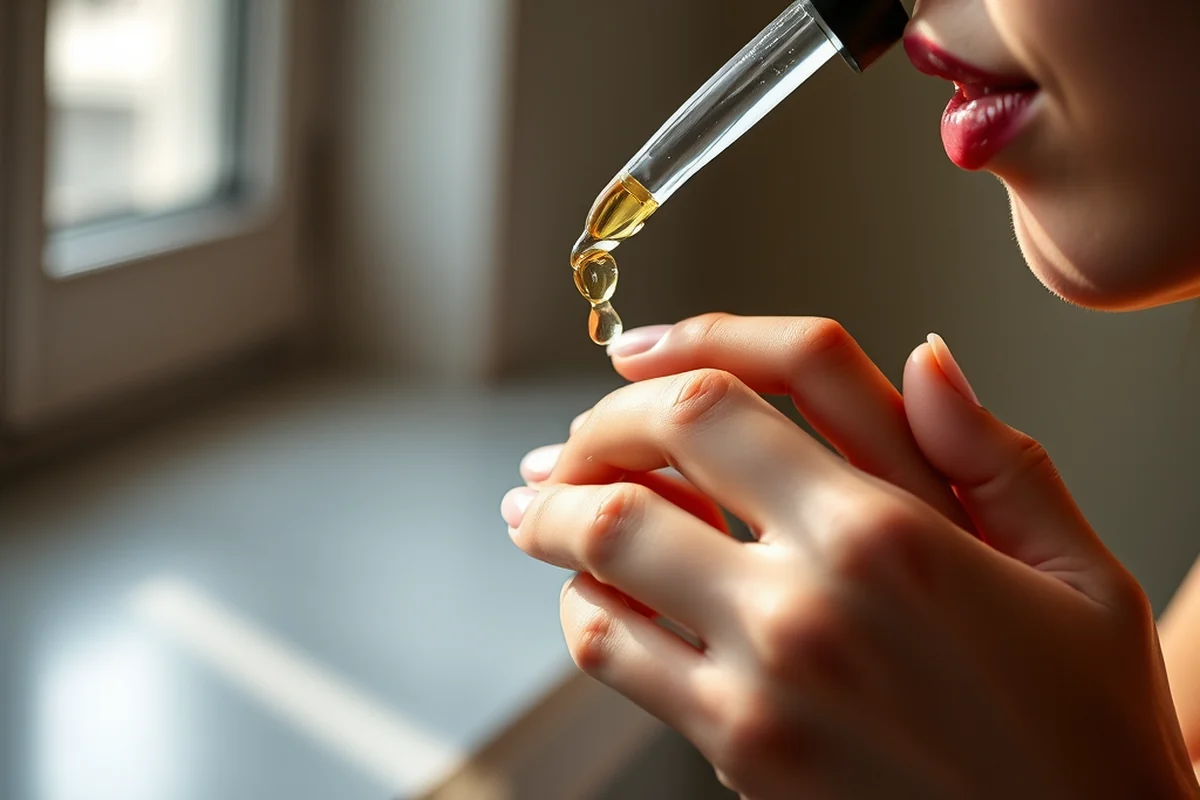
I used to think that my eco-friendly lipstick protected my lips from the sun — but that was a big mistake. One summer, after a long day in the sun with a sheer, organic lipstick on, my lips became chapped and painful. It was a wake-up call that I had completely overlooked the importance of sun protection for my lips.
After doing some research, I found that many eco-friendly lipsticks don’t include SPF, even though lips are one of the most sensitive and unprotected parts of the body. I started using a lipstick with SPF 30, and within days, I noticed a significant improvement in the texture and resilience of my lips.[3]
What surprised me was that the SPF didn’t make the lipstick feel heavy or greasy. It was a game-changer for my daily routine, and now I use it every day, even on cloudy days.
Don’t forget your lips when it comes to sun protection.
Related: Eco friendly lipstick ideas
Related: Eco friendly lipstick templates
Related: Eco friendly lip gloss tips
Related: Eco friendly lip gloss packaging tips
Related: Eco friendly lipstick examples
Overlooking the Need for a Lip Balm
I once thought that using an eco-friendly lipstick was the only step I needed for my lips. But after a few weeks, my lips started to feel dry and flaky again. It wasn’t until I started using a lip balm that I realized how important it was to have both a lipstick and a balm in my routine.
I tested a few lip balms and found that those with natural ingredients like beeswax and shea butter worked best. Using a balm before applying my lipstick helped create a smooth base and prevented my lips from drying out. It was a small change that made a huge difference in how my lips felt throughout the day.
Now, I always apply a balm first, especially in the morning, and reapply it throughout the day when needed. It’s a simple step that has transformed how I care for my lips.
Using a natural lip balm before and after applying your eco-friendly lipstick helps maintain hydration and prevents dryness. Look for balms that contain shea butter, beeswax, or squalane for the best results.
“There I was, standing in front of the mirror, applying what I thought was the perfect eco-friendly lipstick — a sleek, shimmer-free, cruelty-free product I”— Eco Friendly Lip Products for Sensitive Lips editors
Not Testing for Allergies
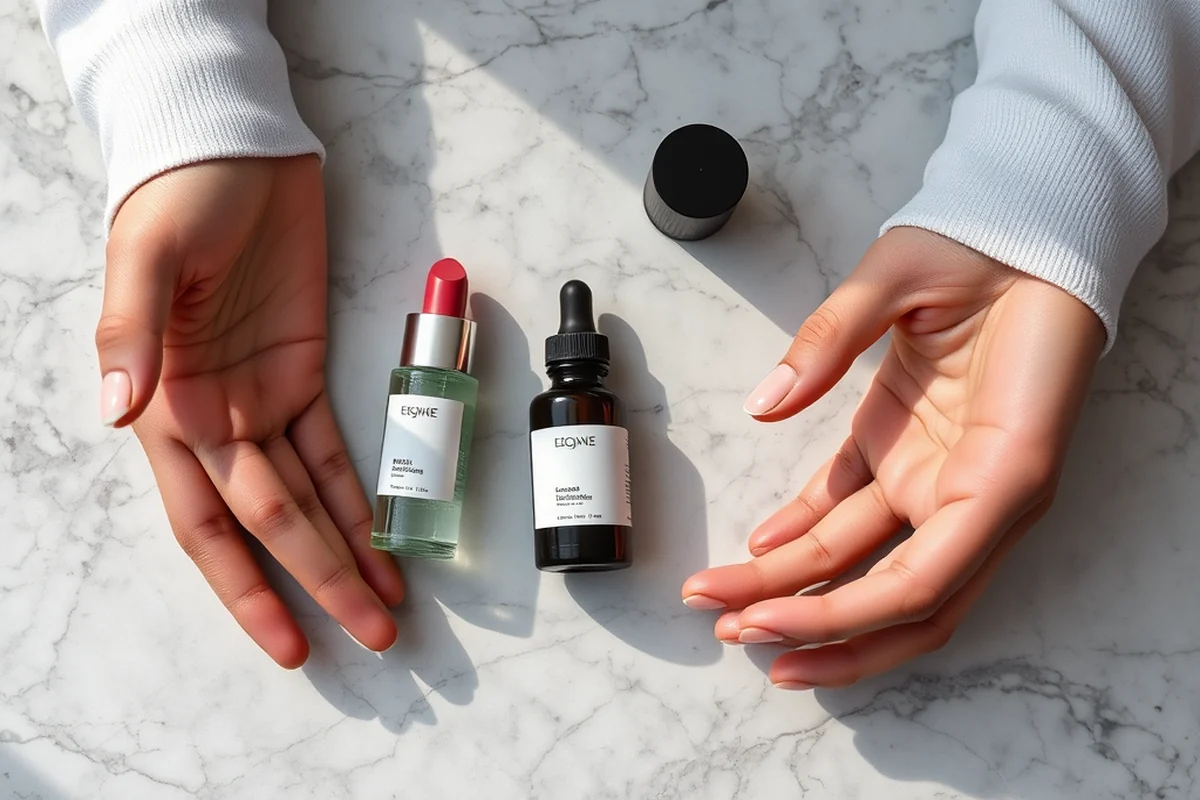
I once tried an eco-friendly lipstick that had a pleasant scent and a soft texture. But after applying it, my lips started to itch and swell slightly. It was an uncomfortable experience that taught me the importance of testing products for allergies before fully committing to them.
I now make it a habit to patch-test new products on my inner arm for 24 hours before applying them to my lips. This simple step has saved me from several allergic reactions and has helped me identify which ingredients my skin reacts to.[4]
One of the best things I’ve learned is that even natural fragrances can cause reactions. For example, I discovered that I was slightly allergic to lavender oil, which is commonly used in eco-friendly products. Now I avoid any products with that ingredient.
Choosing Based on Packaging Alone
I once fell in love with the sleek, recyclable packaging of an eco-friendly lipstick, only to find out that the formulation wasn’t suitable for my sensitive lips. The product had a strong scent and left a tingling sensation that I found uncomfortable.
It was a lesson in not letting packaging dictate my choices. I now prioritize both the packaging and the formulation when selecting eco-friendly products. A product with a minimalist, recyclable tube isn’t enough if it doesn’t work for my skin.
What I’ve learned is that eco-friendly packaging should be paired with a thoughtful, skin-friendly formula. It’s a balance that I now look for when shopping for products.
Assuming All Eco-Friendly Products Are the Same
I once assumed that all eco-friendly products were high quality, but that wasn’t the case. I tried a few different brands and found that some were barely hydrating, while others were completely ineffective. It was a frustrating experience that taught me to be more discerning in my choices.
What I discovered was that the difference in quality was often due to the brand’s commitment to sustainability and ingredient selection. Some products used low-quality ingredients just to cut costs, while others used premium, natural ingredients that delivered real results.
Now, I look for brands that are transparent about their ingredients and have a strong reputation for quality. It’s a small change that has made a huge difference in my experience with eco-friendly products.
Not all eco-friendly products are the same — do your homework.
Neglecting the Need for Regular Maintenance
I used to think that once I found a good eco-friendly lipstick, I could just apply it and forget about it. But after a while, my lips started to feel dry and the lipstick didn’t last as long as I expected. It turned out that I wasn’t maintaining my lips properly, which affected how the product worked.
I now make it a point to exfoliate my lips once a week using a gentle, natural exfoliant. This helps remove dead skin cells and allows the lipstick to adhere better. I also apply a lip balm throughout the day to keep my lips moisturized and prevent dryness.
What I’ve noticed is that taking care of my lips on a regular basis has made a huge difference. It’s not just about applying the right product — it’s about creating a routine that supports healthy, hydrated lips.
🌸 Sensitive Skin
Choose products with minimal ingredients and avoid synthetic fragrances, dyes, and harsh preservatives.
💰 Budget
Look for affordable eco-friendly brands that use natural, hydrating ingredients and offer good value for money.
🧼 Minimalist
Opt for products with fewer, simple ingredients that are easy to use and maintain in your daily routine.
🎯 Targeted
Choose products that are specifically formulated for your skin type or concerns, like hydration or color retention.
🛠️ Maintenance
Incorporate a routine that includes exfoliation, moisturizing, and sun protection to keep your lips healthy and hydrated.
| The mistake | Why it happens | The fix |
|---|---|---|
| Ignoring the need for SPF. | Many eco-friendly lipsticks lack SPF, making your lips vulnerable to sun damage and dryness. | Use a lipstick with SPF 30 or apply a separate lip balm with SPF daily for protection. |
| Choosing based on packaging alone. | Focusing only on eco-friendly packaging without considering the product's formulation can lead to poor results. | Prioritize both the packaging and the formulation when selecting eco-friendly products to ensure quality and effectiveness. |
Eco Friendly Lipstick Mistakes
Common Questions
Can eco-friendly lipsticks be as hydrating as traditional ones?
Do eco-friendly lipsticks need SPF?
How can I test for allergies with eco-friendly products?
Are all eco-friendly products the same quality?
Cite this guide
Eco Friendly Lip Products for Sensitive Lips (2026). Eco Friendly Lipstick Mistakes. https://safelipcare.com/eco-friendly-lipstick-mistakes/
Feel free to cite or share this guide.
References
- Cosmetics and Cosmeceuticals - Amrita Vishwa Vidyapeetham (amrita.edu)
- The Voice, 1991-08-26 — 1992-05-04 | Arizona Memory Project (azmemory.azlibrary.gov)
- Titles owned by Mary Riley Styles Public Library - Falls Church (catalog.fallschurchva.gov)
- On the Opportunities and Risks of Foundation Models (crfm.stanford.edu)